
 By
By 
People comparing gym singapore options may assume that an air-conditioned facility eliminates most heat-related concerns. Indoor cooling certainly improves comfort, but it does not prevent the body from generating heat during demanding exercise.
A person can lose a substantial amount of fluid during an indoor session, particularly when the workout is intense, the studio is crowded or the individual naturally produces a high sweat rate. Singapore’s warm and humid outdoor conditions can also affect hydration before the workout even begins.
Exercise Produces Heat From Within
Muscles are not perfectly efficient. During exercise, part of the energy used for movement becomes heat. As the intensity of the workout rises, internal heat production also increases.
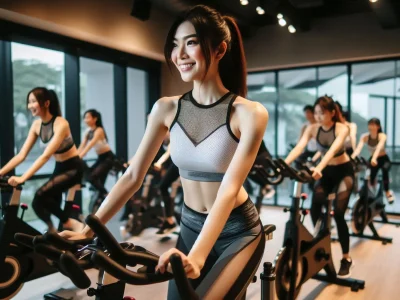
Air conditioning can help the body release some of that heat, but it does not stop heat from being produced. A challenging cycling class, high-repetition strength session or interval workout can therefore cause heavy sweating in a cool room.
This explains why room temperature alone is not a reliable measure of fluid loss. Two sessions completed in the same facility can create different levels of sweating because their intensity, duration and movement density are different.
A strength session with long rest periods may produce less continuous heat than a fast-paced class with limited recovery. Even if both last an hour, the body experiences them differently.
Humidity Still Influences Comfort and Cooling
Sweat cools the body mainly when it evaporates from the skin. High humidity slows evaporation because the surrounding air already contains a large amount of moisture.
An indoor facility may have controlled temperature, but humidity can still vary. The number of people in the room, ventilation, outdoor air exchange and the type of activity can all influence the environment.
A crowded studio may feel warmer as a class progresses, even if the thermostat setting has not changed. Participants release heat and moisture, while continuous movement increases their own heat production.
This is why airflow matters as well as temperature. A room can feel cool near an air-conditioning outlet but less comfortable in areas with limited circulation. Members may experience noticeably different conditions in separate parts of the same facility.
The Journey to the Gym Also Counts
Hydration does not begin when the workout starts. In Singapore, a member may walk to an MRT station, wait outdoors, travel through crowded transport areas and walk again before reaching the gym.
By the time the person enters the air-conditioned facility, sweating may already have occurred. If the day also included limited fluid intake, several cups of coffee or long periods in meetings, the workout may begin with less fluid available than expected.
The reverse journey matters too. Someone may finish training, shower and immediately return to a warm commute. Fluid loss can continue after the session, especially if the person is still warm or walking outdoors.
Looking only at what happens inside the gym ignores these surrounding conditions. The complete training window includes the journey before and after exercise.
Sweat Rates Differ Considerably Between People
A wet shirt does not necessarily mean that one person worked harder than another. Sweat rate is influenced by body size, genetics, training status, clothing, exercise intensity and environmental exposure.
Some people begin sweating quickly and heavily. Others sweat less visibly but may still require attention to hydration. Comparing sweat levels with another member can therefore be misleading.
Training experience can also influence the sweating response. A person accustomed to regular exercise may begin sweating earlier because the body has become efficient at initiating cooling. This is not automatically a sign of poor fitness or excessive strain.
The more useful comparison is with the individual’s own normal pattern. A sudden and unexplained change in exercise tolerance, dizziness or unusual physical symptoms should not be dismissed as ordinary sweating. The person should stop, recover and seek appropriate professional advice when necessary.
Clothing Can Trap Heat and Moisture
Training clothes affect how heat and sweat feel during a workout. Heavy cotton can absorb moisture and remain wet against the skin. Tight or poorly ventilated garments may also reduce comfort during continuous activity.
Lightweight fabrics that allow movement and moisture transfer are often more practical in Singapore’s climate. This applies even inside an air-conditioned gym because members must also travel to and from the facility.
Changing into dry clothes after exercise may improve comfort during the return commute. Remaining in heavily saturated clothing can make a person feel chilled in strong air conditioning and uncomfortable again once outdoors.
The objective is not to purchase highly specialised clothing for every workout. It is to select garments that suit the activity, fit properly and do not unnecessarily trap heat.
Thirst Is Useful but Not the Only Signal
Thirst provides valuable information, but it may not always match immediate fluid loss. Some people become absorbed in a workout and overlook it. Others avoid drinking because they do not want to interrupt a class or leave their equipment.
Practical hydration begins before the session. Regular fluid intake during the day is usually easier than trying to consume a large amount immediately before training.
During exercise, access matters. A bottle placed nearby makes drinking simpler during rest periods. In a class, small opportunities between tracks or work blocks can be used without disrupting the session.
After training, thirst, urine colour, body-mass changes and general recovery can provide context. No single sign should be treated as a perfect measurement, but patterns can help a person recognise whether fluid replacement is consistently inadequate.
When Water May Be Sufficient
For many ordinary gym sessions, water is an appropriate drink. The need for carbohydrate or electrolyte-containing drinks depends on factors such as duration, intensity, sweat loss and whether another demanding session is planned soon.
Automatically using a sports drink for every short workout can add energy that the person neither needs nor intends to consume. On the other hand, assuming that water is always enough for every prolonged or unusually sweaty session can also be too simplistic.
The choice should match the actual training demand. A moderate strength workout with generous rest is different from a long endurance session or multiple classes completed close together.
People with medical conditions or specific fluid restrictions should follow guidance from an appropriate healthcare professional rather than applying general exercise advice without context.
A Simple Way to Understand Personal Sweat Loss
Members who repeatedly finish workouts with unusually heavy sweat loss can perform a basic comparison across similar sessions.
They can note:
- Approximate body mass before and after training
- Fluid consumed during the session
- Session duration and activity type
- Clothing and room conditions
- How they felt during the final part of the workout
A reduction in body mass over the session can provide an estimate of net fluid loss, but the result should not be treated as a laboratory measurement. Food, bathroom use and scale accuracy can affect it.
The greatest value comes from repeating the observation under similar conditions. Patterns are more useful than one isolated number.
Facility Design Still Matters
A well-managed indoor environment supports training comfort through more than a low thermostat setting. Air movement, ventilation, equipment spacing and studio capacity all contribute.
At True Fitness Singapore, members can choose from gym-floor training and different group-class formats. Recognising that each activity produces a different heat and sweat response can help members prepare appropriately instead of using one hydration routine for every visit.
A cycling class, hot yoga session and traditional resistance workout should not be treated as identical simply because they occur indoors.
Air Conditioning Is Helpful, Not Absolute Protection
Indoor cooling makes exercise more manageable in Singapore, but it does not cancel metabolic heat, individual sweat differences or the effects of the outdoor journey.
Members should consider the complete situation, including workout intensity, class density, airflow, clothing and fluid intake across the day. The aim is not to fear sweating. Sweating is a normal cooling response.
The practical goal is to recognise when a session produces greater fluid loss than expected and respond sensibly. Air conditioning improves the environment, but preparation and individual awareness still determine how well a person manages a demanding workout.






Comments