
 By
By 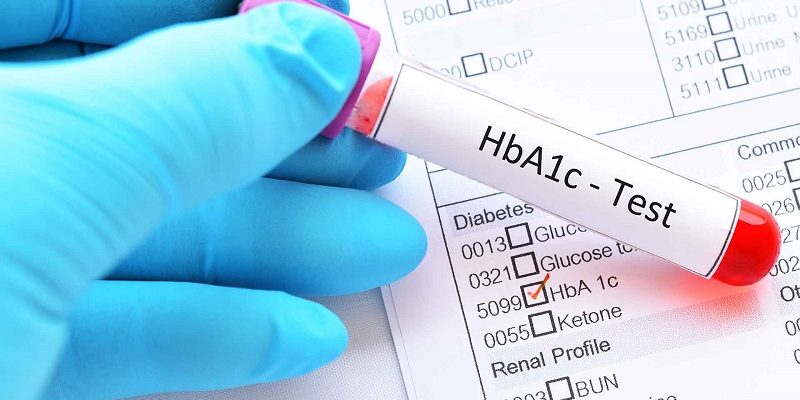
Receiving a prediabetes diagnosis often brings an immediate jolt of panic. Most people walk out of their doctor’s office feeling as though they have crossed an irreversible threshold, envisioning a future defined by restrictive diets, finger-prick monitors, and daily medications. The diagnosis sounds ominous, but the reality is far more hopeful. A prediabetes diagnosis is not a life sentence; it is an early, highly responsive warning signal.
Your hemoglobin A1C level reflects your average blood sugar over the preceding two to three months. Because that number represents a rolling snapshot of your metabolic health, it is entirely within your power to change it. Reversing this trend does not require starvation diets or grueling exercise regimens that leave you exhausted. It requires an intentional, sustainable set of daily habits that restore how your body processes fuel.
Demystifying the Hemoglobin A1C Number
To lower your A1C effectively, it helps to understand what the test actually measures. Glucose circulating in your bloodstream naturally adheres to hemoglobin, the oxygen-carrying protein inside red blood cells. Once attached, that glucose remains bound for the lifespan of the cell, which averages about ninety to one hundred twenty days.
A normal A1C reading sits below 5.7 percent. When that number climbs between 5.7 percent and 6.4 percent, clinical guidelines classify the range as prediabetes. A level of 6.5 percent or higher on two separate tests indicates full-blown type 2 diabetes.
The tricky part about prediabetes is that it rarely announces itself with obvious physical symptoms. You do not wake up feeling sick, and your vision does not suddenly blur. Behind the scenes, however, muscle, fat, and liver cells have grown increasingly deaf to the signals of insulin, the hormone responsible for escorting glucose out of the bloodstream and into cells for energy. To compensate, your pancreas pumps out greater quantities of insulin just to maintain baseline balance. Lowering your A1C comes down to relieving that pancreatic strain by restoring your natural insulin sensitivity.
Restructuring Your Meals Without Extreme Deprivation
Many people respond to an elevated lab result by cutting out all carbohydrates overnight. While this might produce a fleeting drop on the scale, drastic deprivation almost always leads to burnout, rebound bingeing, and metabolic frustration. A far more effective approach focuses on the quality, composition, and timing of what you eat.
The Strategic Order of Eating
Few people realize that the sequence in which you eat foods on your plate alters your post-meal blood sugar response. Eating fiber-rich vegetables and protein first, followed by complex carbohydrates last, slows the rate at which your stomach empties.
Vegetables create a temporary viscous mesh in the digestive tract that slows glucose absorption, while proteins and healthy fats stimulate satiety hormones. By the time carbohydrates reach your bloodstream, the spike is blunted into a gentle, manageable wave. Simply eating your side salad or roasted broccoli before your rice or potatoes can meaningfully flatten your glycemic curve without changing the ingredients of your meal.
Swapping Fast Carbohydrates for Soluble Fiber
Carbohydrates are not inherently toxic, but refined starches and simple sugars flood the bloodstream far faster than an insulin-resistant system can handle. White sandwich bread, instant oat packets, crackers, and sweetened baked goods dissolve into pure glucose within minutes of swallowing.
Replace these rapidly digested starches with foods rich in soluble, viscous fiber:
-
Legumes such as lentils, chickpeas, and black beans
-
Non-starchy vegetables like asparagus, Brussels sprouts, zucchini, and spinach
-
Whole, minimally processed grains including steel-cut oats, farro, and quinoa
-
Seeds and nuts, particularly chia seeds, flaxseeds, and walnuts
Fiber acts as an internal regulator, slowing down carbohydrate breakdown while nourishing beneficial gut bacteria that produce short-chain fatty acids linked to improved insulin sensitivity.
Eliminating Covert Liquid Sugars
The single fastest way to drop an elevated A1C is to eliminate liquid carbohydrates. Drinks do not require digestive breakdown, meaning their sugar content reaches the bloodstream almost immediately.
Sodas, sweetened iced teas, sweetened cold brews, energy drinks, and commercial fruit smoothies place immense stress on the liver and pancreas. Even pure fruit juices—often marketed as health foods—deliver the sugar content of three or four whole pieces of fruit without any of the beneficial fiber that slows absorption. Transitioning to water, sparkling mineral water with citrus slices, unsweetened iced tea, or black coffee removes dozens of grams of high-velocity sugar from your daily routine without leaving you hungry.
Turning Muscles into Glucose Sponges
Physical movement is one of the most potent tools for improving metabolic health, but not for the reasons most people assume. While burning calories supports weight management, exercise works a unique biological shortcut that directly targets blood sugar.
When you contract your muscles during movement, muscle cells activate specialized transport proteins called GLUT4. These transporters move to the cell surface and pull glucose out of the bloodstream independently of insulin. In essence, physical activity allows your body to clear blood sugar even when insulin receptors are sluggish.
The Power of the Ten-Minute Post-Meal Walk
You do not need to train for an endurance marathon to reap metabolic rewards. Taking a brisk ten- to fifteen-minute walk immediately following lunch or dinner yields dramatic results.
Because glucose levels generally peak between thirty and seventy minutes after eating, moving during this window uses that incoming fuel right away. A simple walk around the neighborhood or office parking lot directs post-meal glucose into leg muscles for immediate energy rather than letting it sit in circulation and bond to hemoglobin.
Building Muscle with Resistance Training
Cardiovascular exercise improves lung capacity and heart health, but skeletal muscle serves as the primary reservoir for glucose disposal in the human body. When you maintain healthy muscle mass, you effectively build a larger biological sponge to absorb circulating sugar.
Incorporating strength training two to three times each week makes a substantial difference. Whether you use free weights, resistance bands, or bodyweight exercises like squats, push-ups, and lunges, challenging your muscles increases long-term insulin receptor density. Over several months, this added metabolic capacity helps lower your baseline fasting glucose and brings your A1C down steadily.
Managing the Hidden Saboteurs: Sleep and Stress
Diet and exercise dominate conversations about prediabetes, but chronic emotional stress and poor sleep can undermine the most disciplined eating plan.
When you sleep fewer than seven hours a night or experience fragmented rest, your body releases elevated levels of cortisol and growth hormone early in the morning. This hormonal surge prompts the liver to release stored glucose into the bloodstream while temporarily decreasing insulin sensitivity. A single week of sleep restriction can make an otherwise healthy person metabolically appear prediabetic.
Chronic daily stress behaves similarly. The biological stress response was designed to prepare early humans to fight or flee from predators, prompting the adrenal glands to flood the bloodstream with glucose for quick muscle action. When your stress comes from workplace deadlines or financial pressure rather than physical danger, that mobilized sugar has nowhere to go. It lingers in the blood, driving up your average readings.
Prioritizing consistent sleep hygiene—keeping your bedroom cool and dark, setting a consistent bedtime, and turning off bright screens an hour before sleep—works as medicine for your metabolism. Pair this with daily stress-reduction practices, whether through quiet outdoor walks, breathwork, or offline hobbies, to keep stress-induced glucose spikes under control.
Embracing Patience on the Path to Reversal
Because hemoglobin A1C tracks red blood cells over three months, your numbers will not reset overnight. Demanding a rapid change only sets you up for disappointment; retesting after two or three weeks will not reflect your real progress, as older glycated cells must naturally turn over before fresh cells dominate your blood sample.
Schedule a follow-up test with your healthcare provider roughly three to four months after implementing these changes. Rather than fixating on daily scale fluctuations, focus on how you feel throughout the day: more sustained afternoon energy, fewer sudden sugar crashes after lunch, and deeper sleep at night.
A diagnosis of prediabetes is not an irreversible decline toward a lifelong condition. It is an opportunity to take control, reset your metabolic habits, and build an active, nourishing lifestyle that protects your long-term vitality.









Comments