
 By
By 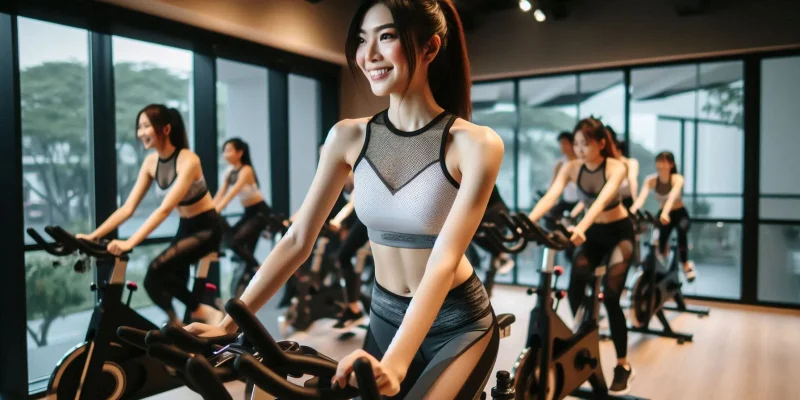
Introduction: Fitness Meets Sustainability
Singapore is a city that prides itself on innovation and sustainability. From green buildings to eco-conscious public transport, environmental awareness is part of everyday life. Fitness is no exception. Many people are choosing to work out in spaces that align with their personal values. Joining a spin studio Singapore is not just about health and fitness, it is also about supporting eco-friendly initiatives. Spin studios are emerging as leaders in sustainable fitness, proving that taking care of the planet can go hand in hand with building personal endurance.
Why Sustainability in Fitness Matters
The fitness industry has traditionally consumed significant resources, from energy-intensive equipment to disposable plastic bottles. In Singapore, where sustainability is a national priority, the fitness community has taken active steps to minimise its environmental footprint. Choosing eco-friendly studios allows members to contribute to larger sustainability goals while maintaining their personal health. This dual purpose makes spin particularly appealing to environmentally conscious professionals and families.
Energy-Efficient Studio Designs
Modern spin studios are designed with sustainability in mind. Many adopt energy-efficient lighting systems, including LED fixtures, to reduce power consumption. Natural ventilation and cooling strategies are also implemented where possible, lowering reliance on air conditioning. These measures not only reduce carbon emissions but also create a fresher workout environment for participants.
Power-Generating Spin Bikes
One of the most exciting innovations in eco-friendly spin is the development of power-generating bikes. These specially designed machines convert pedalling into usable electricity that can power studio lights, sound systems, or even feed back into the grid. Riders get fitter while also contributing to renewable energy production. For participants, the knowledge that every workout contributes to sustainability provides additional motivation and a sense of purpose.
Reducing Plastic Waste in Studios
Plastic waste is a global concern, and many spin studios in Singapore are making changes to address it. Instead of offering single-use plastic bottles, they encourage members to bring reusable bottles and provide filtered water refill stations. Some studios have even introduced biodegradable towels and recycled materials for workout mats, creating a cleaner and more sustainable environment.
Eco-Friendly Building Materials and Interiors
Sustainability is not limited to workout equipment. Studios often use recycled or responsibly sourced materials in their interiors. Wooden floors made from sustainable timber, recycled rubber for flooring, and eco-paint that reduces indoor pollutants are common features. These choices create a healthier workout atmosphere while lowering environmental impact.
Community-Driven Green Initiatives
Sustainability also thrives when it becomes a community effort. Many spin studios organise eco-themed events such as charity rides for environmental causes or workshops on sustainable living. These initiatives raise awareness and strengthen the sense of community among members. Working out in such spaces allows people to feel that they are part of something larger than personal fitness, contributing to a more sustainable Singapore.
Spin as a Low-Impact, Eco-Friendly Workout
Compared to other forms of exercise, spin is inherently eco-friendly. The bikes are stationary, meaning they do not require expansive outdoor space. Unlike swimming pools, spin studios do not consume large volumes of water. With efficient use of resources, spin provides a high-energy workout that leaves a smaller environmental footprint than many other fitness options.
Corporate Sustainability and Fitness
Businesses in Singapore are increasingly integrating sustainability into their operations, and fitness studios are no exception. Some spin studios collaborate with corporate wellness programmes, allowing employees to pursue health goals while supporting green initiatives. This dual focus on health and sustainability helps companies demonstrate their commitment to corporate social responsibility, benefiting both staff and brand reputation.
How Eco-Friendly Practices Attract Members
For many Singaporeans, sustainability is not just a bonus but a deciding factor in where they spend their money. Spin studios that highlight eco-friendly practices often attract members who are motivated by both fitness and environmental values. This alignment creates loyalty and a strong sense of purpose. Members appreciate knowing that their workouts contribute not only to personal goals but also to protecting the environment.
Why TFX Stands Out in Sustainable Fitness
When choosing a fitness partner, it is important to find a studio that values both results and responsibility. TFX has positioned itself as a leader by combining world-class fitness facilities with eco-conscious initiatives. By adopting sustainable practices and supporting green innovation, it demonstrates how a fitness brand can lead by example while inspiring its community to live more responsibly.
Practical Ways Spin Enthusiasts Can Be Eco-Friendly
-
Bring a reusable water bottle instead of buying plastic bottles.
-
Use eco-friendly workout gear made from recycled materials.
-
Support studios that invest in sustainable design and energy-saving equipment.
-
Participate in green community events organised by spin studios.
-
Cycle or take public transport to the studio to reduce carbon emissions.
Long-Term Impact of Eco-Friendly Fitness
Sustainable practices in fitness do not just benefit the planet, they also influence lifestyle choices outside the studio. Members who learn eco-friendly habits at the gym often apply them at home and at work. The ripple effect of these choices supports Singapore’s broader goal of building a cleaner, greener, and more sustainable city for future generations.
FAQs
Q. Do eco-friendly spin studios cost more than regular ones?
Not necessarily. Many sustainable practices, such as energy efficiency and reducing waste, actually save money in the long term. These savings are often passed on to members through reasonable pricing.
Q. How much electricity can be generated by power-producing spin bikes?
A single class can generate enough electricity to power studio lights and sound systems for the duration of the session. While not replacing the grid entirely, it reduces overall energy demand.
Q. Are eco-friendly fitness initiatives just marketing strategies?
Some may be, but many spin studios in Singapore adopt sustainability as a core value. Genuine efforts include investment in renewable technology, reduced waste programmes, and community education.
Q. Can children or teenagers join eco-focused spin classes?
Yes, many studios offer youth-friendly sessions, and participating in eco-friendly fitness can help instil sustainable values at a young age.
Q. What other industries benefit from eco-friendly spin practices?
Hospitality, corporate wellness, and retail industries often collaborate with spin studios to promote sustainable products and services, expanding the impact beyond fitness.







Comments