
 By
By 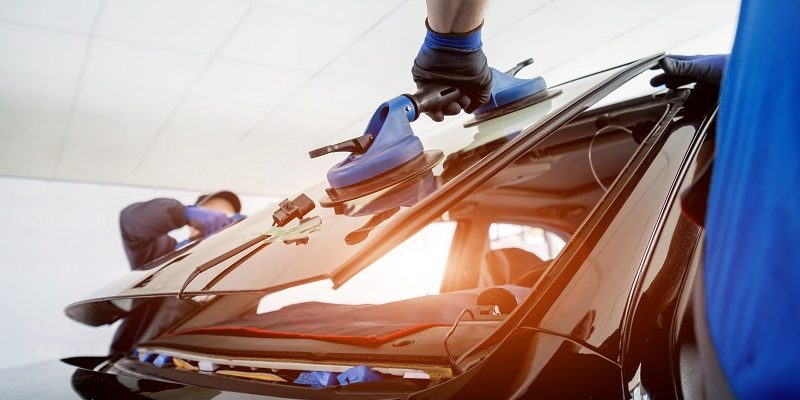
A sharp crack on the interstate used to mean an annoying but manageable chore. You called a local glass shop, an installer in a mobile van pulled into your driveway during lunch, and within forty-five minutes, your car had fresh glass for two or three hundred dollars. You handed over a modest payment or filed a painless claim, and life moved on.
If your vehicle was built in the last decade, that era of cheap, effortless auto glass repair is essentially over. Today, a stray piece of highway gravel hitting your windshield does not just fracture a piece of safety glass; it disrupts the delicate nerve center of your vehicle’s Advanced Driver Assistance Systems (ADAS). What used to be a routine cosmetic swap has transformed into a high-stakes, multi-step technical service that frequently pushes final repair invoices past the thousand-dollar mark. For unprepared car owners, the gap between what they expect to pay and the final invoice can be a rude awakening.
The Windshield as an Optical Instrument
To understand why replacement prices have escalated, it helps to examine what modern windshields actually do. For generations, windshields served two basic roles: keeping weather out of the cabin and providing structural rigidity in a rollover accident. Today, the glass functions as a high-precision optical lens for computer vision hardware mounted directly behind the rearview mirror.
Forward-facing cameras, infrared sensors, rain monitors, and head-up display optics rely on the windshield for an unobstructed, optically true view of the road ahead. These sensors feed real-time visual telemetry to mission-critical safety features:
-
Automatic emergency braking
-
Forward collision warnings
-
Lane departure mitigation and lane-centering steering
-
Adaptive cruise control
-
Traffic sign recognition
-
Pedestrian and cyclist detection
Because these safety systems process physical reality through the windshield, microscopic distortions, minute shifts in glass thickness, or tiny variations in the bracket angle can drastically skew the camera’s perspective. If a camera angle is displaced by even a fraction of a millimeter, its calculations at fifty yards can be off by several feet. That geometric error is the difference between your vehicle halting smoothly behind a stopped sedan or misjudging the stopping distance entirely.
The Calibration Surcharge: Where the Real Bill Adds Up
The largest hidden cost in contemporary windshield replacement is not the physical labor of removing and seating the glass. It is the mandatory sensor recalibration that must follow. Once a technician breaks the factory adhesive seal and removes the camera assembly, the vehicle loses its factory-set optical alignment. Simply plugging the harness back in does not restore proper function.
Calibration generally falls into two categories, both of which require specialized labor and expensive diagnostic software.
Static Calibration
Static calibration takes place inside a specialized shop bay under strictly controlled conditions. The facility requires a completely level floor, uniform lighting with zero glare, and expansive physical clearances around the vehicle. Technicians set up physical target boards featuring high-contrast geometric patterns at manufacturer-specified distances, heights, and angles, often aligned using precision laser levels. Diagnostic software connected to the vehicle’s onboard computer then prompts the front cameras to recognize these reference targets and remap their field of vision. Setting up these rigs is time-intensive, and shops bill anywhere from three hundred to seven hundred dollars purely for this static calibration process.
Dynamic Calibration
Certain vehicle manufacturers require dynamic calibration, which moves the testing process out onto public roads. A technician connects a handheld diagnostic computer to the OBD-II port and drives the vehicle at specified speeds along well-marked roads during clear weather. The vehicle’s cameras use lane markings and roadside landmarks to establish baseline coordinates. If traffic is heavy, lines are faded, or weather turns rainy, the calibration drive can fail repeatedly, consuming hours of technician time.
Some advanced platforms require dual calibration—a static session followed immediately by a dynamic road test. When both procedures are required, the calibration labor alone can easily eclipse the price of the glass itself.
OEM vs. Aftermarket Glass: The Premium Dilemma
When shopping for replacement glass, drivers routinely face an unexpected crossroads: original equipment manufacturer (OEM) glass versus aftermarket alternatives. Historically, aftermarket glass offered an easy way to save forty or fifty percent without noticeable compromises in quality. With ADAS, that calculation becomes considerably more complicated.
Aftermarket windshields frequently exhibit subtle variations in curvature, thickness, and tint hue around the camera cutout. Furthermore, pre-bonded camera mounting brackets on cheaper aftermarket glass can be offset by hairline tolerances. While the glass may look identical to the naked eye, the forward-facing camera may register optical distortion or fail to lock onto static calibration targets. In worse scenarios, the system may complete calibration but trigger intermittent false alarms, phantom braking, or sudden system disengagement on the highway.
As a result, many automakers mandate OEM glass to preserve sensor functionality and warranty coverage. However, OEM windshields carry a substantial premium, often priced between six hundred and fifteen hundred dollars before taxes, adhesives, moldings, and calibration labor are added.
The Disruption of Mobile Convenience and Schedule Friction
Beyond direct financial costs, owners must absorb substantial logistical friction. Mobile auto glass vans built their reputation on sheer convenience, allowing drivers to get new glass installed while sitting at their desks or relaxing at home.
While some mobile technicians carry dynamic calibration equipment or portable target boards, many static calibrations cannot be completed in an open driveway or parking lot. Sun glare, uneven pavement, wind movement, and ambient shadows prevent the cameras from reading calibration targets accurately.
Consequently, drivers must surrender their vehicle to a brick-and-mortar glass center or dealership. If the independent glass shop lacks in-house calibration tooling, they must sublet the calibration to a local franchise dealership. This handoff turns a one-hour mobile service into a multi-day ordeal involving loaner cars, ride shares, and scheduling delays—all hidden costs in lost time and convenience.
Insurance Surprises, Deductibles, and Out-of-Pocket Gaps
For decades, drivers in states without mandatory zero-deductible glass coverage treated windshield replacements as minor out-of-pocket expenses that did not justify filing a comprehensive claim against their five-hundred-dollar deductible. When the combined replacement and calibration bill surges to twelve hundred or eighteen hundred dollars, filing an insurance claim becomes inevitable.
Yet filing a claim introduces its own set of financial pain points:
-
Deductible obligations: A five-hundred-dollar comprehensive deductible that once sat idle suddenly becomes due at the service desk.
-
Aftermarket disputes: Many standard auto insurance policies only cover the cost of aftermarket glass unless the policyholder explicitly paid for an OEM endorsement. If your vehicle’s ADAS refuses to calibrate on aftermarket glass, you may face prolonged adjuster disputes or pay the difference out of pocket.
-
Prevailing labor rate limits: Insurers frequently cap what they are willing to reimburse for calibration labor. If the dealership or specialized shop charges eight hundred dollars for a dual calibration and your insurer only approves five hundred, the policyholder can be on the hook for balance billing.
Navigating the Repair: Protecting Your Wallet and Safety
While you cannot prevent every flying rock on the highway, knowing how ADAS changes auto glass service helps you avoid inflated invoices and compromised safety:
-
Repair chips before they spread: A minor chip can often be filled with optical resin for under one hundred dollars, preserving the factory seal and bypassing calibration altogether. Once a crack extends beyond the length of a dollar bill, full replacement is mandatory.
-
Request an itemized estimate upfront: Always ask whether an initial quote covers glass, moldings, installation labor, and full sensor calibration. Many low quotes deliberately omit calibration to make their advertised rates look appealing.
-
Review your insurance endorsements: If you drive a modern car equipped with lane-keep assist and automated braking, check whether your policy includes comprehensive glass coverage with low deductibles and an OEM parts rider.
-
Demand proof of calibration: Never drive away from a repair facility without a written calibration report showing successful completion and confirming that the vehicle’s diagnostic trouble codes have cleared.
Modern driver assistance features deliver immense safety benefits, routinely preventing crashes that would otherwise result in catastrophic harm. But maintaining those digital guardian angels requires accepting that the glass protecting them is no longer an ordinary piece of hardware. Treating your windshield as the delicate, sensor-critical component it is remains the best way to safeguard both your wallet and your safety on the road.






Comments