
 By
By 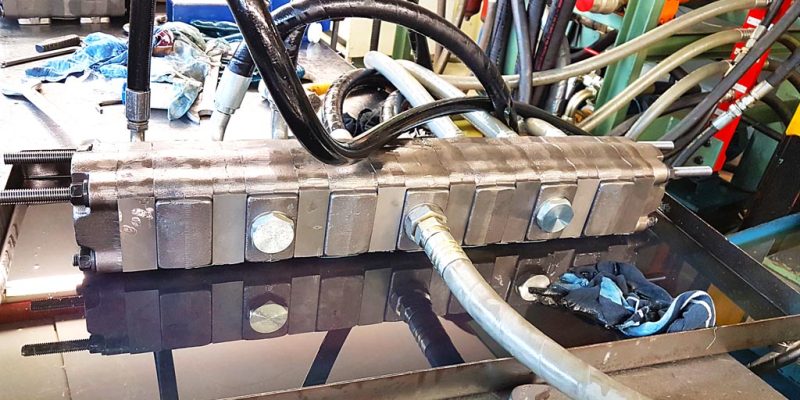
Modern industrial systems rely heavily on precision, consistency, and energy efficiency to maintain optimal performance. Whether in hydraulic machinery, food processing units, or manufacturing plants, controlling fluid movement is essential. One often overlooked yet highly effective component that supports these goals is the flow divider. While small in size, flow dividers play a significant role in ensuring balanced fluid distribution, enhancing system stability, and reducing unnecessary energy loss.
Understanding how these components function and where they add value can offer important insights for engineers, operators, and decision makers aiming to improve operational efficiency.
Understanding the Role of Flow Dividers in Fluid Systems
Flow dividers are mechanical or hydraulic devices designed to split a single input flow into multiple output flows. These outputs are typically equal or proportional, depending on system requirements. By ensuring that fluid is distributed evenly, flow dividers help maintain uniform performance across different sections of a system.
In many industrial setups, uneven fluid distribution can cause pressure fluctuations, inconsistent operation, and increased wear on components. Flow dividers address this issue by regulating the flow rate across various channels, ensuring each section receives the required amount of fluid without excess or shortage.
Their application spans across industries such as construction equipment, manufacturing lines, and even food processing systems, where precise control is critical.
How Flow Dividers Improve System Stability
System stability is one of the most important factors in maintaining consistent output and reducing operational disruptions. Flow dividers contribute to stability in several key ways.
First, they ensure synchronized movement in hydraulic systems. For example, when multiple cylinders or actuators need to operate simultaneously, uneven flow can cause misalignment or erratic movement. Flow dividers eliminate this problem by delivering equal flow to each actuator, ensuring smooth and coordinated operation.
Second, they reduce pressure imbalances. Without proper flow control, some parts of a system may experience higher pressure than others, leading to inefficiencies and potential damage. By distributing flow evenly, flow dividers help maintain uniform pressure levels across the system.
Third, they minimize system vibrations. Irregular flow often results in fluctuating forces within pipelines or machinery. This can create vibrations that affect performance and shorten equipment lifespan. Flow dividers stabilize the flow, reducing these fluctuations and promoting smoother operation.
Reducing Energy Loss Through Efficient Flow Distribution
Energy efficiency is a growing concern in industrial operations. Systems that consume excessive energy not only increase operational costs but also contribute to environmental impact. Flow dividers help address this challenge by optimizing fluid distribution and minimizing waste.
One of the primary causes of energy loss in fluid systems is overcompensation. When certain parts of a system receive less flow, operators often increase overall input pressure to compensate. This leads to unnecessary energy consumption. Flow dividers eliminate the need for such adjustments by ensuring balanced flow from the start.
Additionally, flow dividers reduce internal leakage and inefficiencies. High quality flow division mechanisms are designed to maintain precise flow ratios, minimizing losses that occur due to fluid bypass or uneven distribution.
Another important aspect is load balancing. In systems where multiple components operate simultaneously, uneven loads can cause certain parts to work harder than others. This imbalance results in higher energy usage and increased wear. Flow dividers distribute the load evenly, allowing the system to operate more efficiently.
Applications in Industrial and Processing Environments
Flow dividers are widely used across different industries, each benefiting from improved stability and reduced energy consumption.
In hydraulic machinery, they are essential for synchronizing multiple actuators. Construction equipment, lifting systems, and automated manufacturing lines all rely on precise movement control, which flow dividers help achieve.
In the food processing industry, particularly in systems involving chocolate transfer pumps, maintaining a consistent flow is critical. Chocolate is a sensitive material that requires controlled temperature and movement to preserve its quality. Flow dividers ensure that chocolate transfer pumps distribute the product evenly across different processing lines, preventing inconsistencies in texture or quality.
In lubrication systems, flow dividers help deliver precise amounts of lubricant to various components. This not only improves machine performance but also reduces friction related energy loss.
Chemical processing plants also benefit from flow dividers, as they enable accurate mixing and distribution of fluids. This precision ensures consistent product quality and reduces waste.
Enhancing Equipment Longevity and Reliability
Beyond stability and energy efficiency, flow dividers play a crucial role in extending the lifespan of equipment. When systems operate under uneven conditions, certain components are subjected to higher stress levels. Over time, this leads to premature wear and failure.
By maintaining balanced flow and pressure, flow dividers reduce the strain on individual components. This results in less frequent maintenance requirements and lower replacement costs.
Moreover, stable systems are less prone to sudden failures. Consistent operation reduces the risk of unexpected breakdowns, improving overall reliability. For industries where downtime can be costly, this reliability is invaluable.
Improving Process Accuracy and Output Quality
Precision is essential in many industrial processes, especially those involving sensitive materials or complex operations. Flow dividers contribute to process accuracy by ensuring that each part of the system receives the exact amount of fluid required.
In applications involving chocolate transfer pumps, for instance, even slight variations in flow can affect the final product. Uneven distribution may lead to inconsistent coating, texture issues, or quality defects. Flow dividers eliminate these variations, ensuring uniform processing and high quality output.
Similarly, in manufacturing processes that involve cutting, molding, or forming, consistent hydraulic performance is critical. Flow dividers help maintain this consistency, resulting in precise and repeatable outcomes.
Design Considerations for Optimal Performance
To fully benefit from flow dividers, it is important to consider proper design and integration within the system. Several factors influence their effectiveness.
Flow rate requirements must be carefully evaluated. Choosing a flow divider that matches the system’s capacity ensures accurate distribution and prevents inefficiencies.
Pressure conditions also play a significant role. The selected flow divider should be capable of handling the operating pressure without compromising performance.
Material compatibility is another important factor, especially in industries such as food processing or chemical manufacturing. The materials used in the flow divider must be suitable for the fluids being handled to prevent contamination or degradation.
Maintenance accessibility should also be considered. Easy access to flow dividers allows for regular inspection and servicing, ensuring long term performance.
Technological Advancements in Flow Divider Systems
Recent advancements in engineering have led to the development of more sophisticated flow divider designs. Modern systems offer improved accuracy, durability, and adaptability.
Some flow dividers now incorporate advanced sealing technologies that minimize leakage and enhance efficiency. Others feature modular designs, allowing for easy customization based on specific system requirements.
Digital monitoring and control systems are also being integrated with flow dividers. These technologies enable real time tracking of flow rates and system performance, allowing operators to make adjustments as needed.
Such innovations are particularly beneficial in complex applications where precision and efficiency are critical.
Sustainability and Environmental Benefits
As industries move towards more sustainable practices, reducing energy consumption and waste has become a priority. Flow dividers contribute to these efforts by improving system efficiency and minimizing resource usage.
By ensuring balanced flow, they reduce the need for excessive energy input. This not only lowers operational costs but also decreases carbon emissions associated with energy production.
Additionally, precise fluid distribution reduces material waste. In processes involving expensive or sensitive materials, such as those handled by chocolate transfer pumps, minimizing waste is both economically and environmentally beneficial.
Common Challenges and How to Overcome Them
While flow dividers offer numerous advantages, they are not without challenges. Improper selection or installation can lead to performance issues.
One common challenge is clogging or contamination, especially in systems handling viscous or particulate laden fluids. Regular maintenance and proper filtration can help mitigate this issue.
Another challenge is wear over time. Continuous operation can lead to degradation of internal components. Using high quality materials and conducting routine inspections can extend the lifespan of flow dividers.
Calibration errors can also affect performance. Ensuring accurate setup and periodic recalibration helps maintain precise flow distribution.
Flow dividers may not always receive the attention they deserve, but their impact on system performance is significant. By ensuring balanced fluid distribution, they enhance system stability, reduce energy loss, and improve overall efficiency.
From hydraulic machinery to food processing systems involving chocolate transfer pumps, their applications are vast and varied. They not only support consistent operation but also contribute to cost savings, equipment longevity, and sustainability.
For industries aiming to optimize performance and reduce operational inefficiencies, integrating well designed flow dividers into their systems is a practical and effective solution.










Comments