
 By
By 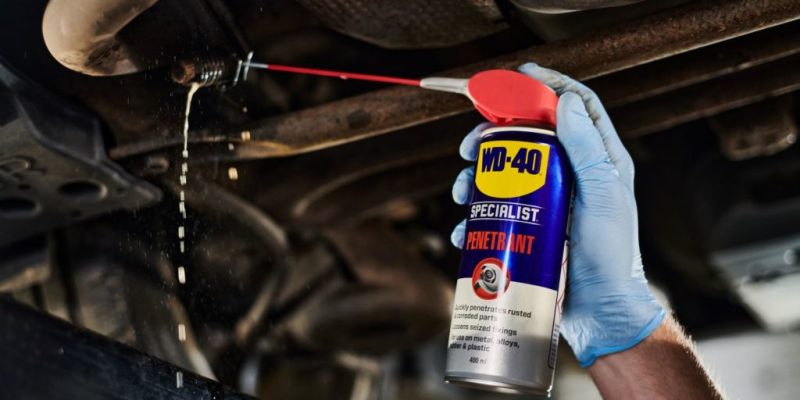
Heavy machinery is the backbone of industries such as construction, manufacturing, agriculture, mining, and energy production. These machines operate under constant stress, extreme loads, and challenging environmental conditions. Over time, exposure to heat, moisture, dust, vibration, and corrosion can cause components to seize, wear prematurely, or fail unexpectedly. Effective maintenance is not optional in these environments. It is a critical requirement for safety, productivity, and long term operational stability.
Among the many tools used in maintenance programs, Industrial penetrating oils play a vital role. While they are often grouped under the broader category of Industrial lubricant solutions, their specific function addresses some of the most persistent challenges associated with heavy machinery upkeep. Understanding why these oils matter can help organizations reduce downtime, protect assets, and improve overall maintenance efficiency.
The Unique Maintenance Demands of Heavy Machinery
Heavy machinery differs from standard equipment in both scale and complexity. Large engines, hydraulic systems, fasteners, bearings, and joints are exposed to continuous pressure and movement. Many machines operate outdoors or in harsh industrial settings where environmental factors accelerate corrosion and contamination.
Traditional lubrication methods are effective for reducing friction during operation, but they may not be sufficient when parts become rusted, seized, or difficult to access. This is where penetrating oils become essential. Their ability to move into tight spaces and break through corrosion layers makes them a valuable addition to any heavy machinery maintenance strategy.
Understanding the Purpose of Industrial Penetrating Oils
Industrial penetrating oils are formulated to seep into microscopic gaps between metal surfaces. Unlike surface lubricants that remain primarily on exposed areas, penetrating oils are designed to travel deep into threads, joints, and contact points where corrosion and friction build up.
Their primary purpose is to loosen seized components, displace moisture, and prepare parts for repair or adjustment. This functionality supports maintenance teams when dealing with stuck bolts, frozen pins, rusted hinges, and other common issues found in heavy machinery.
Why Penetration Is Critical in Large Equipment
Penetration is especially important in heavy machinery because of the size and force involved. Applying excessive mechanical force to loosen a seized component can lead to damaged threads, broken fasteners, or even structural failure.
Industrial penetrating oils reduce the need for extreme force by weakening corrosion bonds at the molecular level. This allows technicians to work more efficiently and safely, minimizing the risk of injury and equipment damage.
Key Benefits for Heavy Machinery Maintenance
Improved Reliability and Performance
Heavy machinery downtime can halt entire operations. When a single piece of equipment fails, it often disrupts multiple workflows. By helping to free seized parts and restore smooth movement, Industrial penetrating oils support faster repairs and more reliable machinery performance.
When components move as intended, wear is reduced and machines operate closer to their designed efficiency levels. This reliability directly impacts productivity and output.
Extended Equipment Lifespan
Heavy machinery represents a significant financial investment. Extending the life of this equipment is a priority for asset managers and maintenance planners.
Penetrating oils help protect internal metal surfaces by reducing friction and slowing corrosion. Over time, this protection contributes to longer service life for fasteners, joints, and mechanical assemblies. When used as part of a broader Industrial lubricant strategy, these oils help preserve machinery value.
Supporting Preventive and Predictive Maintenance
Modern maintenance programs increasingly focus on prevention rather than reaction. Preventive maintenance involves scheduled inspections and treatments to avoid failures, while predictive maintenance uses data and monitoring to address issues before they escalate.
Industrial penetrating oils support both approaches. Applying them to components prone to corrosion or seizure can prevent problems from developing. During inspections, they make it easier to disassemble parts for evaluation and reassembly.
This proactive use reduces unexpected breakdowns and helps maintenance teams plan repairs more effectively.
Enhancing Safety for Maintenance Personnel
Safety is a major concern when working with heavy machinery. Stuck components often require technicians to apply force using large tools or equipment. This increases the risk of slips, sudden releases, or strain injuries.
By loosening parts more easily, Industrial penetrating oils reduce physical effort and improve control during maintenance tasks. This creates a safer working environment and supports compliance with workplace safety standards.
Performance in Harsh Operating Conditions
Heavy machinery often operates in environments that accelerate wear and corrosion. Outdoor exposure, high humidity, temperature fluctuations, and contact with dirt or chemicals all contribute to equipment degradation.
Penetrating oils are particularly valuable in these conditions because they can displace moisture and reach protected internal areas. This ability helps maintain functionality even when surface conditions are unfavorable.
Complementing Industrial Lubricant Systems
It is important to understand that Industrial penetrating oils are not a replacement for standard Industrial lubricant solutions. Instead, they serve a complementary role.
Penetrating oils are typically used during maintenance and repair processes to prepare components for service. Once parts are loosened, cleaned, or adjusted, traditional lubricants are applied to support ongoing operation and reduce friction during use.
This combination creates a more complete lubrication and maintenance system that addresses both immediate challenges and long term performance needs.
Reducing Maintenance Time and Labor Costs
Time is a critical factor in industrial maintenance. The longer a machine is offline, the greater the financial impact. Stuck fasteners and seized components can significantly extend repair times.
Industrial penetrating oils help speed up maintenance tasks by simplifying disassembly and adjustment. Faster repairs mean reduced labor hours, lower operational costs, and quicker return to service for essential equipment.
Economic Impact Across the Equipment Lifecycle
The benefits of using penetrating oils extend beyond individual repairs. Over the lifecycle of heavy machinery, consistent use contributes to improved uptime, fewer emergency repairs, and more predictable maintenance schedules.
These factors translate into measurable cost savings. Reduced downtime improves productivity, while extended equipment life delays the need for costly replacements. For organizations managing fleets of heavy machinery, these savings can be substantial.
Versatility Across Industrial Applications
Industrial penetrating oils are used across a wide range of sectors where heavy machinery is essential. Common applications include construction equipment, agricultural machinery, mining operations, manufacturing systems, and energy infrastructure.
In each case, the ability to penetrate tight spaces and address corrosion related challenges makes these oils a valuable tool for maintenance teams working under demanding conditions.
Environmental and Operational Efficiency Considerations
Efficiency is becoming increasingly important in industrial operations. Reducing waste, minimizing repeated maintenance, and extending service intervals all contribute to more responsible resource use.
Penetrating oils often require smaller quantities to achieve results because of their targeted action. This efficiency supports streamlined maintenance practices and reduces unnecessary material consumption.
Integrating Penetrating Oils Into Maintenance Routines
Incorporating Industrial penetrating oils into an existing maintenance program does not require major changes. They are typically used during inspections, scheduled shutdowns, or when specific issues arise.
Training maintenance teams on proper application ensures consistent results and maximizes benefits. When integrated thoughtfully, penetrating oils enhance the effectiveness of broader Industrial lubricant strategies.
Heavy machinery maintenance demands solutions that go beyond surface level lubrication. Corrosion, seizure, and restricted movement are common challenges that can compromise safety, efficiency, and equipment longevity. Industrial penetrating oils address these issues by reaching deep into metal interfaces and breaking down barriers that traditional lubricants cannot overcome.
When used alongside a comprehensive Industrial lubricant program, penetrating oils support faster repairs, safer working conditions, and extended equipment life. For industries that rely on heavy machinery to operate every day, these oils are not just helpful tools. They are essential components of effective and sustainable maintenance strategies.










Comments